You govern financial risk properly. Human risk gets a slide.
Wellbeing governance built to the standard you already apply to audit and risk, with owners, measures and a reporting cadence.
"Employee wellbeing: engagement score 7.1, EAP in place."
One slide, received, noted, no decision arising.
"Two of the six people around this table are running on empty and nobody will name it."
Which affects every judgement made at that table, and appears in no register.
Governance quality erodes quietly when directors are depleted.
A tired board does not make obviously bad decisions. It makes slightly worse ones, more quickly, with less challenge. Papers get skimmed. The awkward question does not get asked because asking it extends the meeting. Dissent costs more energy than agreement, so agreement wins.
None of that shows up in minutes. It shows up two years later in a decision nobody can quite explain, and by then the people who were in the room have moved on.
Boards already know how to handle a risk they cannot see directly. You appoint an owner, agree what would tell you it is worsening, and put it on a cadence. The same discipline applied here is most of the work.
What gets built
- 01
A named owner
One director accountable, the way you would for cyber or health and safety. Shared ownership is the reason most of these programmes quietly stop.
- 02
Measures that can move
A short set tied to decisions you control. An engagement score you cannot influence before the next survey is not a measure, it is weather.
- 03
Reporting on your cadence
Folded into the risk cycle you already run, not added as a separate initiative that competes with it for attention.
- 04
Succession that assumes strain
Key person risk written down honestly, including the roles where one departure would hurt most and no cover exists.
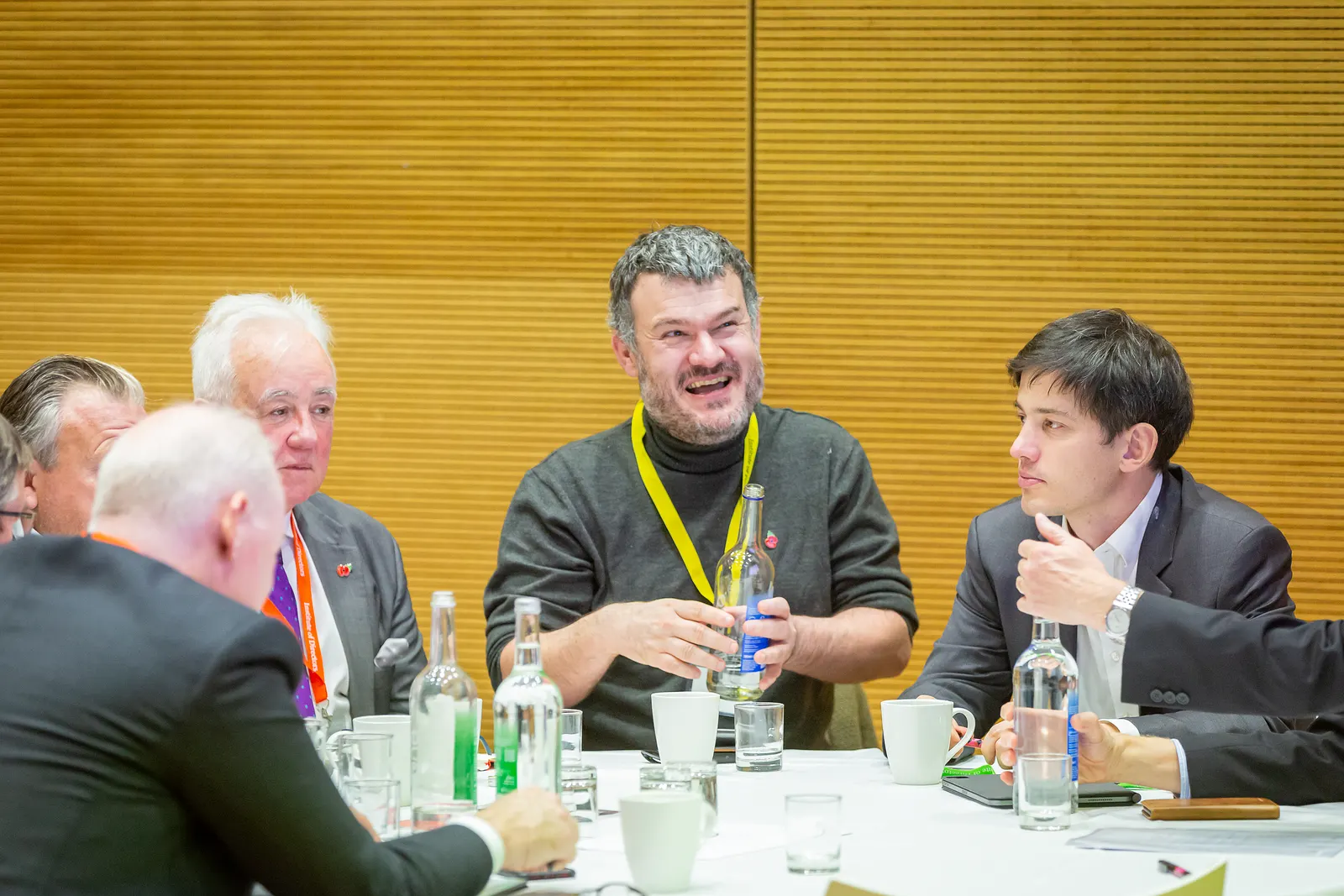
Directors get the same confidentiality as anyone else.
Board work and private counsel run on separate tracks. If a director talks to me about their own situation, that conversation does not reach the chair, the pack or the governance work. It is not a footnote and it is not an anonymised example.
I have sat across from people who were managing something serious while chairing a meeting about someone else's performance. It is more common than the room believes.
The reason I work at this level rather than further down is that the board is the first team. How you behave in that room sets what is permitted in every other room, and people copy what they see at the top far more reliably than they follow what they are told.
Two kinds of board show up. In one, power sits with a single person and everyone waits their turn; it looks orderly and it hides risk in the gaps. In the other, directors talk across the table rather than up the line, and the bad news arrives early. The difference is not the committee structure. It is whether the chair asks more than they tell.
"Craig is an absolute workhorse, with a mission to change lives through better governance and a real understanding of what wellbeing means. Much more than an Employee Assistance Programme, which is a box-ticking exercise."
Questions people ask before they call
- Is this a non-executive appointment?
- No. I hold no seat, no vote and no fiduciary duty to your organisation, which is what lets me say the thing a director in the room would have to weigh politically. If you want a NED with a wellbeing background that is a different search and I am happy to say so.
- Why should this sit with the board rather than HR?
- Because the causes are usually board decisions. Headcount, pace of change, what gets rewarded, whether a restructure was communicated once or properly. HR administers the consequences of those choices and cannot overrule them.
- What does the board actually see?
- A small number of measures you can act on, reported at the cadence you already use for risk, with a named owner. If a metric cannot change anything it does not go in the pack.
- Do you work with the executive or the board?
- Both, and the boundary matters. Work with the board is governance and reporting. Anything a director tells me privately stays private, and does not appear in a board paper.
- How does this interact with a resilience assessment?
- The assessment is the diagnostic and this is the governance that follows it. Most engagements start with the assessment, because designing reporting before you know the causes produces a dashboard nobody reads.
- What is the commitment?
- Usually an annual arrangement tied to your board calendar, because governance work that is not on a cadence quietly stops happening. Fees follow the first conversation, once we know whether you need the framework built or only reviewed.
Most boards start with the diagnostic.
Designing reporting before you know the causes produces a dashboard nobody reads. If you already have the picture, we can go straight to governance.